
Forensic Traceability & Explainability
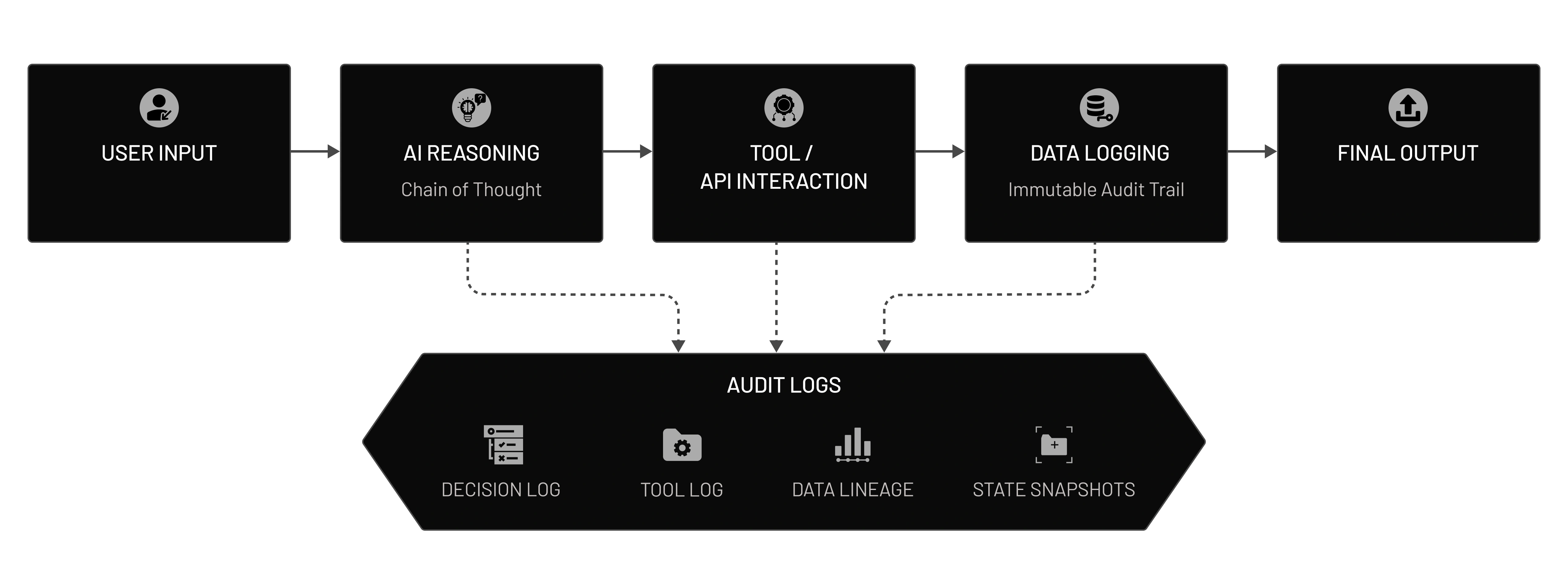
As agents act autonomously, organizations must be able to explain and verify decisions after the fact. Forensic Traceability & Explainability ensures every agent action can be reconstructed and audited by linking identity, policy, and telemetry.

What is Forensic Traceability & Explainability?
Forensic traceability is the ability to reconstruct the full sequence of actions taken by an agent, including inputs, decisions, permissions, and outcomes. Explainability focuses on making those actions understandable to humans, auditors, and regulators.
Together, they ensure agent behavior is not a black box. Instead, every decision is attributable, reviewable, and defensible—both technically and legally.
Why Forensic Traceability Matters for Agentic Systems
Traditional systems log API calls and user actions. Agentic systems generate chains of reasoning, delegation, and tool usage that span multiple systems and timeframes.
Without forensic traceability:
- Actions cannot be confidently attributed
- Incidents cannot be fully investigated
- Compliance and regulatory inquiries become high-risk
Traceability ensures trust does not disappear as autonomy increases.
Core Pillars of Forensic Traceability & Explainability
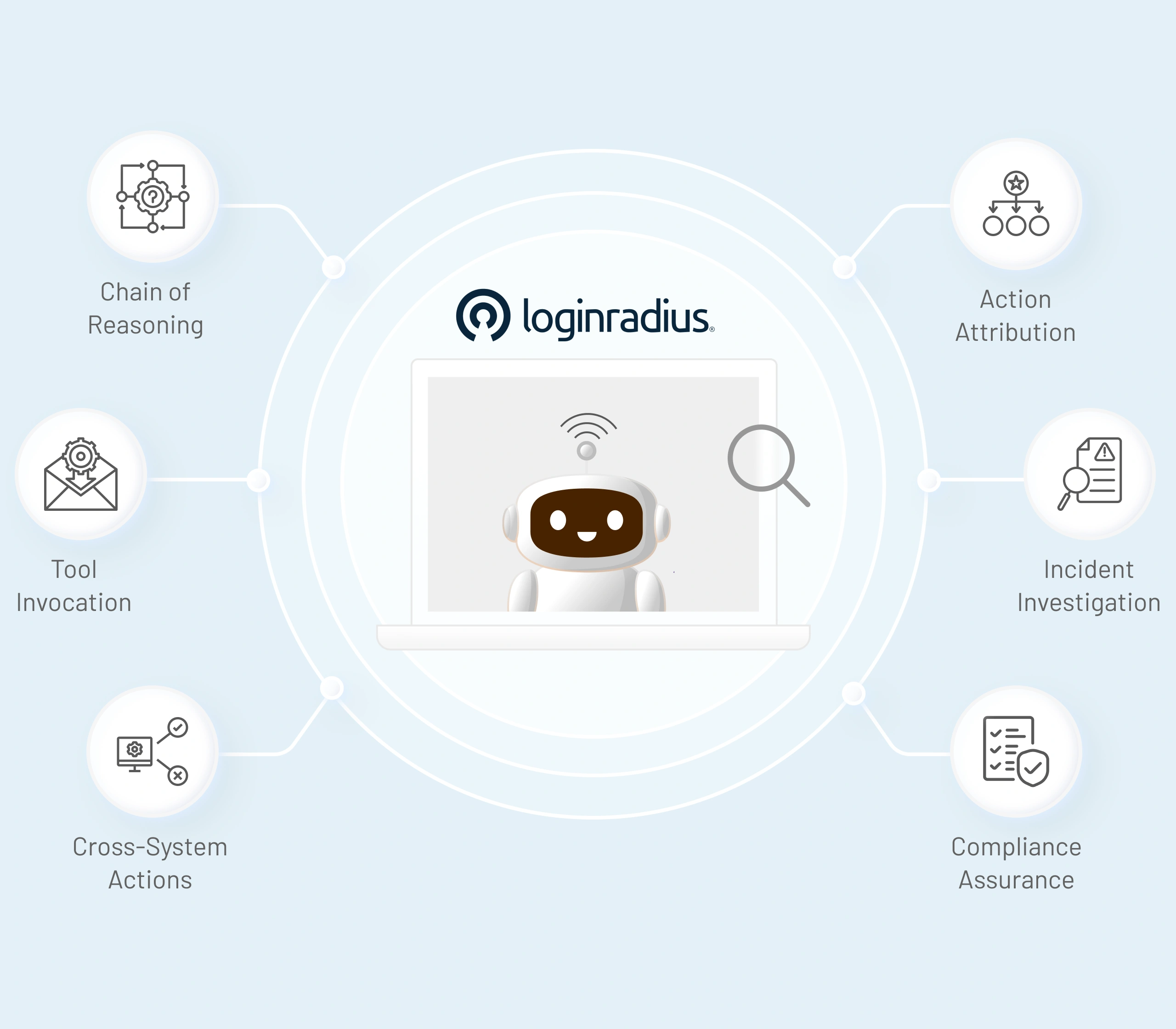
 Identity-Centric Action LoggingIdentity-Centric Action Logging
 Decision & Policy AttributionDecision & Policy Attribution
 End-to-End Action TrailsEnd-to-End Action Trails
 Tamper-Resistant EvidenceTamper-Resistant Evidence
 Human-Readable ExplainabilityHuman-Readable Explainability
 Cross-System CorrelationCross-System Correlation
Forensic Readiness Models
Organizations typically mature through the following approaches as agentic systems evolve.
Basic Logging
Agent activity is logged at the system or API level.Logs exist, but are fragmented, difficult to correlate, and lack context.
This approach provides visibility but limited forensic value.

Centralized Traceability
Agent actions, identity events, and policy decisions are recorded centrally.Logs can be correlated across systems, but explanations remain technical.
This enables investigations, but still requires expert interpretation.

Explainable & Defensible Systems
Agent actions are traceable end-to-end and explainable in plain terms.Identity, policy, and context are linked automatically to every decision.
This approach supports audits, regulatory scrutiny, and long-term trust.