CIAM Architecture & Integration
In modern CIAM, identity is no longer a standalone login service. It operates as an API-driven platform that integrates with applications, services, and data systems—supporting scalable, secure, and flexible identity experiences across web, mobile, and distributed architectures.
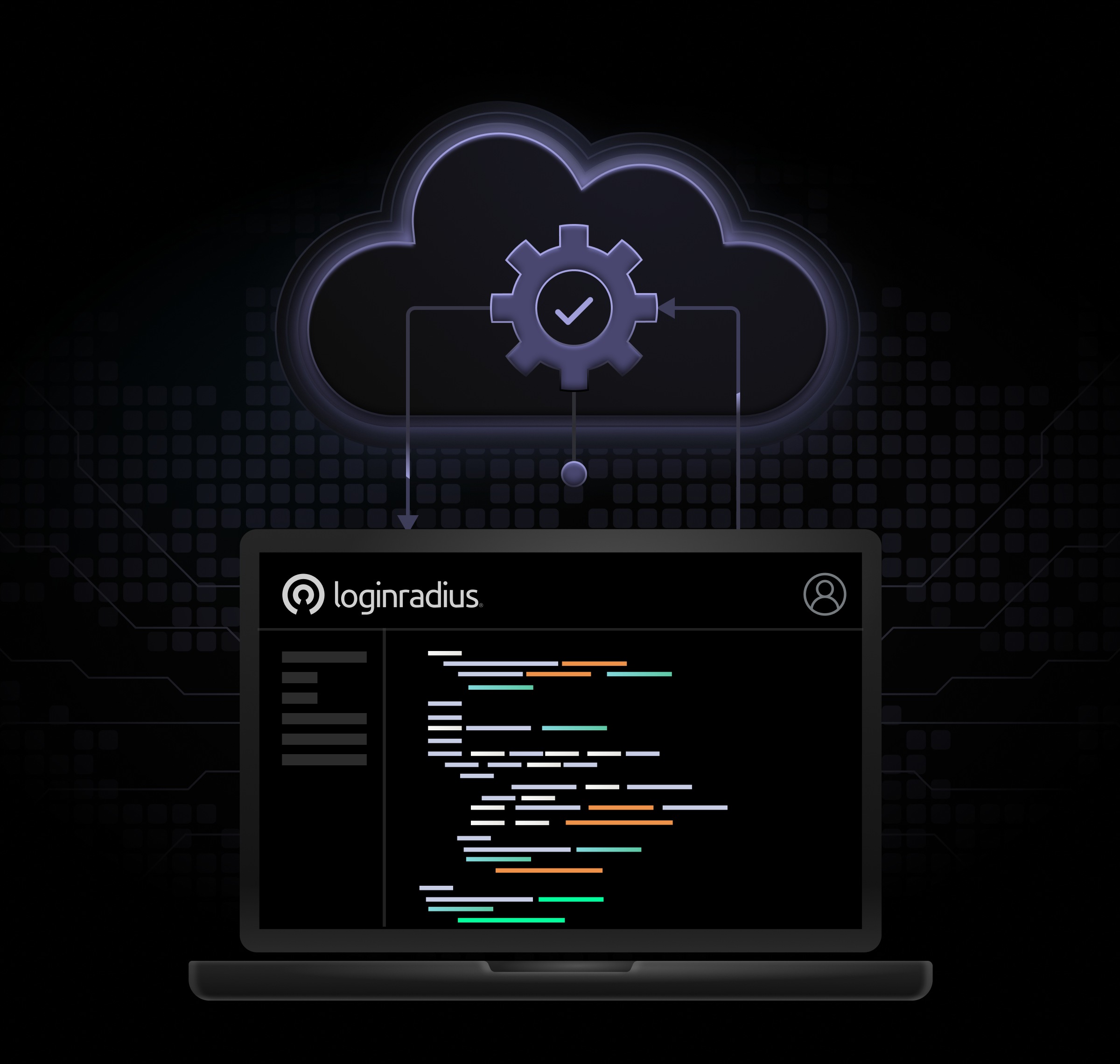
What is CIAM Architecture & Integration?
CIAM Architecture & Integration defines how customer identity is designed, implemented, and connected within an organization’s technology stack.
It includes APIs and SDKs used by developers, standards-based federation protocols like OAuth, OpenID Connect, and SAML, identity orchestration for custom flows, and integration patterns for CRMs, CDPs, and downstream systems. A well-architected CIAM platform acts as the identity backbone for modern digital products.

Core Pillars of CIAM Architecture & Integration
Architecture Pillar
What It Covers
Why It Matters
 API & SDK Foundations
What It Covers
REST APIs, web and mobile SDKs, identity claims, token validation, and extensibility.
Why It Matters
Enables developers to integrate identity quickly and consistently across applications and platforms.
API & SDK FoundationsREST APIs, web and mobile SDKs, identity claims, token validation, and extensibility.
Enables developers to integrate identity quickly and consistently across applications and platforms.
 Federation & SSO Protocols
What It Covers
OAuth 2.0, OpenID Connect (OIDC), SAML, delegated authorization, and secure token exchange.
Why It Matters
Allows secure identity sharing across applications without exposing credentials.
Federation & SSO ProtocolsOAuth 2.0, OpenID Connect (OIDC), SAML, delegated authorization, and secure token exchange.
Allows secure identity sharing across applications without exposing credentials.
 Identity Orchestration
What It Covers
Low-code customization, dynamic authentication flows, conditional logic, and workflow automation.
Why It Matters
Enables teams to adapt identity journeys without rewriting application code.
Identity OrchestrationLow-code customization, dynamic authentication flows, conditional logic, and workflow automation.
Enables teams to adapt identity journeys without rewriting application code.
 System Integration
What It Covers
CRM/CDP integration, webhooks, event streams, profile sync, and marketing automation.
Why It Matters
Connects identity data with business systems for personalization and analytics.
System IntegrationCRM/CDP integration, webhooks, event streams, profile sync, and marketing automation.
Connects identity data with business systems for personalization and analytics.
 Modern Identity Architecture
What It Covers
Microservices-based auth, headless CIAM, API gateways, and legacy system integration.
Why It Matters
Supports scalability, flexibility, and modernization without breaking existing systems.
Modern Identity ArchitectureMicroservices-based auth, headless CIAM, API gateways, and legacy system integration.
Supports scalability, flexibility, and modernization without breaking existing systems.
 Provisioning & Synchronization
What It Covers
SCIM provisioning, Just-in-Time (JIT) provisioning, lifecycle sync, and identity automation.
Why It Matters
Keeps identities consistent across systems and reduces manual operational overhead.
Provisioning & SynchronizationSCIM provisioning, Just-in-Time (JIT) provisioning, lifecycle sync, and identity automation.
Keeps identities consistent across systems and reduces manual operational overhead.
CIAM Architecture Approaches
As digital systems evolve, identity architecture must adapt to support scale, flexibility, and integration across modern application ecosystems. The following approaches represent how teams typically structure and evolve their CIAM architecture.
Application-Coupled Identity : Identity logic is embedded directly into individual applications.
Authentication, authorization, and user management are tightly bound to app code, making changes slow and integrations repetitive.
This approach can work for simple systems but becomes difficult to scale as applications, regions, and identity requirements grow.
This approach can work for simple systems but becomes difficult to scale as applications, regions, and identity requirements grow.
Centralized Identity Platform : Identity is moved into a dedicated CIAM platform that serves multiple applications. Authentication, federation, and user management are centralized and exposed through APIs and standards-based protocols.
This reduces duplication, improves consistency, and simplifies integration across web, mobile, and partner applications.
This reduces duplication, improves consistency, and simplifies integration across web, mobile, and partner applications.
Composable & Orchestrated Identity : Identity operates as a flexible, API-first layer that integrates across microservices, applications, and business systems.
Flows are dynamically orchestrated, integrations are event-driven, and identity adapts without application rewrites. This approach enables faster development, safer integrations, and long-term architectural flexibility as systems scale and evolve.
Flows are dynamically orchestrated, integrations are event-driven, and identity adapts without application rewrites. This approach enables faster development, safer integrations, and long-term architectural flexibility as systems scale and evolve.