Beginner’s Guide to Authentication and Authorization in Digital Security

Authentication and authorization are often used interchangeably, but they’re not the same. Learn how each plays a distinct role in securing identities, protecting data, and shaping the future of digital trust.
profile
Kundan SinghFirst published: 2025-12-15Last updated: 2025-12-15
user-authentication-authorization-security
Table of Contents

Introduction

Introduction

In an age where our lives are deeply intertwined with digital platforms from banking apps and eCommerce sites to workplace tools and streaming services, security has quietly become the invisible backbone of every online interaction. Yet, behind every “Login” button lies a sophisticated process designed not just to protect data but to build digital trust. This foundation rests on two essential pillars: authentication and authorization.

If you’ve ever searched what is authentication and authorization, you’ve likely noticed people treat them like the same thing. They aren’t. The difference between authentication and authorization matters because each one protects a different part of your system. Think of it like authorization vs authentication (or authentication vs authorization) as two sequential gates: first you prove who you are, then the system decides what you can do.

These terms are often used together, and sometimes even interchangeably, but they serve distinct and critical purposes in modern cybersecurity. Authentication focuses on confirming who the user is, while authorization decides what that user is allowed to do once their identity has been verified. Both processes work hand in hand to ensure that systems remain secure, user experiences remain seamless, and organizations maintain control over sensitive resources.

Understanding how authentication and authorization work together is key to protecting both users and enterprises. It’s not just a technical concept; it’s a strategic layer of defense that determines whether a system is merely functional or truly secure.

In this blog, we’ll dive deep into what these two terms mean, how they differ, and why mastering both is essential for building trustworthy, compliant, and user-centric digital ecosystems.

What Is Authentication?
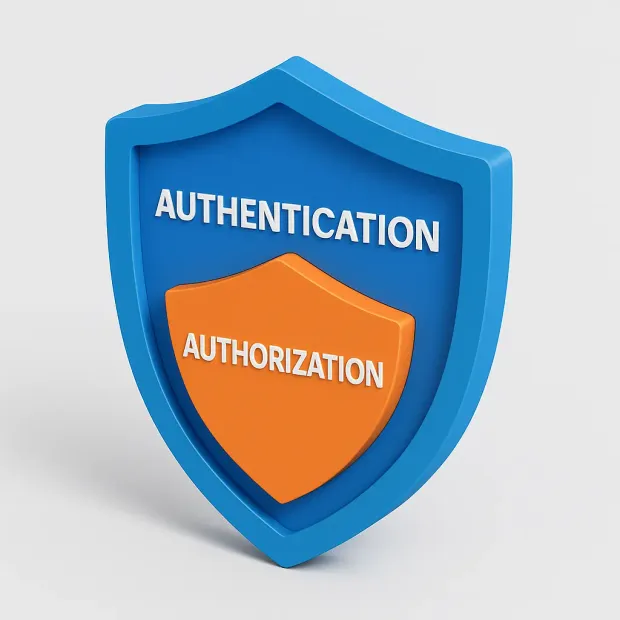
what is authentication

At its core, authentication is about trust, confirming that the person, device, or system trying to access a digital service is truly who they claim to be. It’s the first and most crucial step in securing any online environment. Without authentication, there’s no way to distinguish between a legitimate user and a potential attacker, leaving sensitive information and digital assets vulnerable to exploitation.

In simple terms, authentication answers one question: “Who are you?” When a user attempts to log in, the system asks for proof of identity, often in the form of credentials. These credentials could be a password, a security token, a biometric scan, or a one-time code sent to a verified device. The system then cross-verifies this information with stored data. If the two match, access is granted; if not, it’s denied.

To make it even clearer, how does authentication work in practice? A system typically

  1. collects identity proof (credentials or factors),

  2. validates it against a trusted identity store or identity provider, and

  3. issues a session or token that represents the verified identity.

That token (or session) becomes the “proof” used across the app or API layer to continue the user journey securely.

But authentication today goes far beyond entering a password. The evolution of digital threats has pushed organizations to adopt stronger, layered authentication systems that go beyond static credentials.

Let’s look at the most common types:
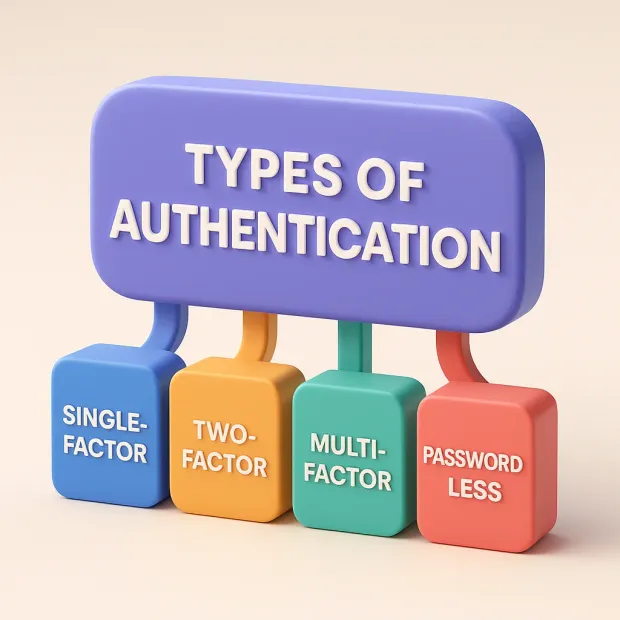
types of authentication

1. Single-Factor Authentication (SFA):

This is the most basic form, typically a username and password combination. While easy to use, it offers limited security, as stolen or weak passwords can easily be exploited.

2. Two-Factor Authentication (2FA):

This method adds another layer, combining something you know (like a password) with something you have (like a mobile verification code). It’s a significant step up in security and helps prevent unauthorized logins even if passwords are compromised.

3. Multi-Factor Authentication (MFA):

MFA expands this further by adding multiple layers, such as biometrics (fingerprint or facial recognition), a one-time token, or a hardware key. It’s widely considered the gold standard for securing user identity because it makes unauthorized access exponentially more difficult.
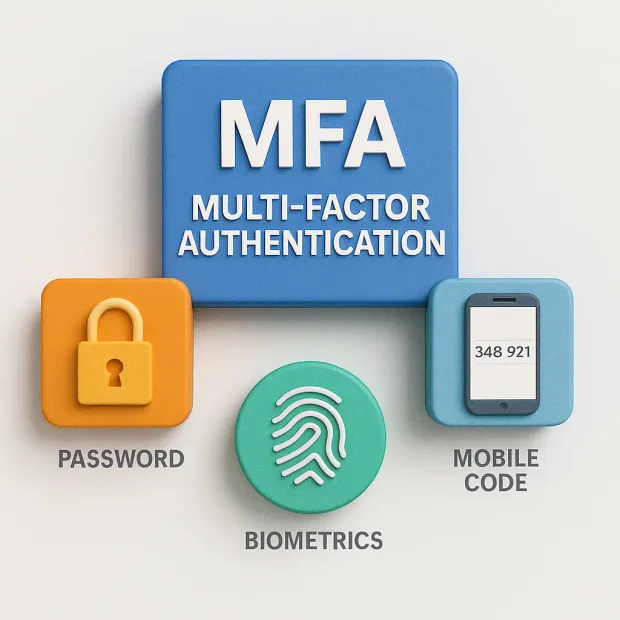
MFA

4. Passwordless Authentication

The future of secure access. Instead of relying on passwords, users verify their identities through biometrics, device-based cryptographic keys (like passkeys), or secure login links. This method eliminates the risk of password theft altogether.

Beyond preventing unauthorized access, authentication also plays a crucial role in personalizing user experiences. Once a system identifies who the user is, it can tailor interfaces, preferences, and data access based on past behavior, creating a seamless and consistent experience across devices.

Also read : Beyond Passwords: Navigating Tomorrow's Authentication Landscape

In essence, authentication is more than a security gate; it’s the handshake that builds digital trust. However, verifying identity alone isn’t enough. Once the system knows who you are, it must determine what you’re allowed to do within its boundaries. That’s where authorization steps in.

What Is Authorization?

Once a user’s identity has been verified through authentication, the next question a system must answer is: “What can this user do?” That’s where authorization comes into play.

If authentication is about verifying who you are, authorization is about defining what you’re allowed to access. It governs the actions, data, and resources that each user can interact with within a system. In other words, authorization ensures that users, even those who are authenticated, operate strictly within the limits of their assigned privileges.

This is also why authorization in cyber security is treated as a core control, not an optional feature. Many breaches don’t happen because authentication failed; they happen because someone got in and then had more access than they should have.

In digital systems, this same principle applies. After you’ve logged in, authorization decides whether you can view, edit, delete, or manage specific data. This fine-grained control helps organizations:

  • Protect sensitive information from internal misuse or data leaks.

  • Maintain compliance with security standards like GDPR, HIPAA, and SOC 2.

  • Prevent privilege abuse, where users with unnecessary permissions could accidentally or maliciously alter data.

To achieve this, organizations use well-defined authorization models, each catering to different levels of control and flexibility:
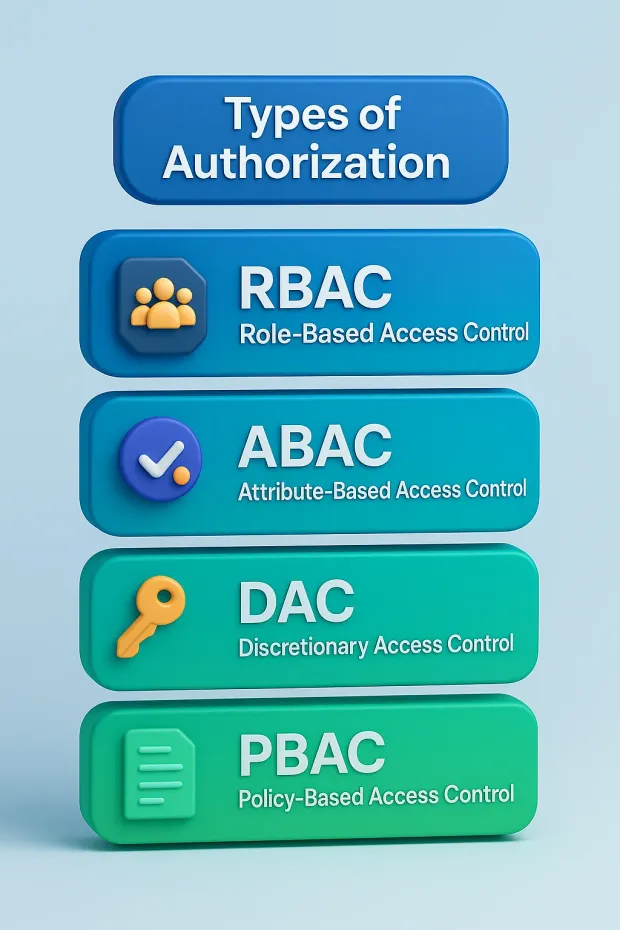
Types of Authorization

1. Role-Based Access Control (RBAC):

Permissions are assigned based on a user’s role within the organization. For example, a “Manager” might have access to performance reports that a “Team Member” does not. RBAC is widely used because it’s structured, easy to manage, and aligns with organizational hierarchies.

2. Attribute-Based Access Control (ABAC):

Access decisions are made based on attributes such as location, department, device, or time of login. It offers greater flexibility and context-awareness than RBAC.

3. Discretionary Access Control (DAC):

The data owner determines who can access their resources. While this model offers freedom and flexibility, it can become complex in large organizations with many users.

4. Policy-Based Access Control (PBAC):

A modern approach where access decisions are governed by policies and logical rules that evaluate multiple conditions in real-time, offering scalability for cloud and API-based environments.

By combining these models or adapting them based on their needs, organizations create dynamic access frameworks that balance security, flexibility, and usability.

Authorization is more than just permission management; it’s a safeguard against internal and external risks. Without it, even legitimate users could end up accessing data they shouldn’t, leading to compliance violations, data exposure, or system misuse.

Together, authentication and authorization form the backbone of secure access. But while they’re often mentioned side by side, their differences are what make them so effective when combined.

Let’s explore how these two work together and where they diverge.

Authentication vs. Authorization

Although authentication and authorization often work together, they serve two entirely different purposes within a security framework. Understanding their differences helps businesses design systems that not only keep intruders out but also ensure users stay within their rightful boundaries once inside.

In the simplest sense, authentication verifies identity, while authorization determines access. You can think of them as two sequential stages in a digital security journey: one answers “Who are you?” and the other answers “What can you do?”’

If you’re wondering how is authentication different from authorization, the simplest answer is: authentication proves identity; authorization enforces permissions. That’s the real-world difference between authentication and authorization, and it’s why authorization vs authentication is not an either/or decision you need both.

Here’s a clear breakdown of how they differ in function, sequence, and purpose:

AspectAuthenticationAuthorization
DefinitionThe process of verifying a user’s identity.The process of granting or restricting access to resources.
PurposeConfirms that the user is who they claim to be.Determines what the authenticated user is allowed to do.
SequenceThis always occurs before any access is granted.This happens after authentication, once the identity is verified.
InvolvesUser credentials like passwords, biometrics, or tokens.Permissions, policies, or access rules.
OutcomeGrants entry into the system.Grants or denies specific privileges or actions.
AnalogyShowing your ID to enter a building.Accessing the rooms or files you’re authorized for.

Together, these two layers create a complete access management lifecycle. Authentication ensures that only legitimate users make it past the gate, while authorization ensures that those users operate within the right confines once inside. This combination is especially critical in modern, interconnected systems where users access multiple applications, databases, and APIs from a single login.

Without proper synchronization between authentication and authorization, even a verified user could unintentionally breach sensitive areas of a network.

Authentication and Authorization in APIs

API Authentication focuses on verifying who is making the API request, whether it’s a user, an application, or another service. Before granting any access, the system needs to confirm that the request comes from a trusted source. This can be done using several mechanisms:

  • API Keys: A unique key assigned to each client to identify them. It’s simple but lacks flexibility for fine-grained control.

  • OAuth 2.0: A widely adopted authorization framework that allows users to grant limited access to their data without sharing their credentials. For example, when you log into a new app using your Google account, OAuth is working behind the scenes.

  • JWT (JSON Web Tokens): Compact, digitally signed tokens used to verify identity securely across systems. JWTs are popular for stateless authentication because they eliminate the need for session storage.

  • OpenID Connect (OIDC): Built on top of OAuth 2.0, OIDC adds an extra layer for identity verification, confirming who the user is, not just whether they’re allowed access.

Once the API confirms the requester’s identity, authorization steps in to determine what level of access that requester has. This means deciding whether a verified entity can read, write, update, or delete data.

For example:

  • A customer-facing application might be authenticated through OAuth but authorized only to read customer profile data and not modify it.

  • A system administrator’s API token, on the other hand, might be authorized to read and write data, reflecting higher privileges.

Authorization in APIs is typically managed through scopes and permissions, which define what an authenticated user or system can do. Scopes can limit actions (like read-only access) or restrict access to specific resources (like one endpoint in an API instead of the entire system).

This dual-layer protection authentication, followed by authorization, ensures that every interaction between systems is both verified and controlled. It’s especially important in cloud-based ecosystems, where hundreds of microservices exchange data simultaneously.

Without strict API authentication and authorization, a single compromised endpoint could become an entry point for massive data breaches.
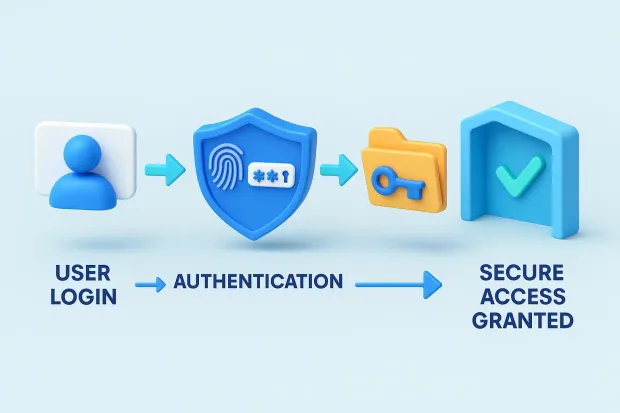
Authentication Flow

Why Both Are Critical for Modern Identity and Access Management

Individually, authentication and authorization serve different purposes, but their true strength lies in their synergy. Authentication establishes trust, while authorization governs control. Without authentication, systems wouldn’t know who the user is.

Without authorization, they wouldn’t know what that user is allowed to do. Combine the two, and you create a dynamic, layered defense that protects both user data and organizational assets.

Here’s why their relationship is indispensable in today’s environment:

1. Protection Against Unauthorized Access

Authentication ensures only verified users enter a system, while authorization restricts their actions within that system. This dual approach prevents both external attacks and internal misuse, minimizing security loopholes.

2. Compliance and Audit Readiness

Regulations like GDPR, HIPAA, and SOC 2 require strict access control and traceability. Proper authentication and authorization frameworks make it easier to demonstrate compliance, track user actions, and generate audit trails for accountability.

3. Enhanced User Experience

Strong security doesn’t have to mean friction. Modern solutions like Single Sign-On (SSO) and Passwordless Authentication simplify login processes while maintaining security integrity. Once authenticated, users can seamlessly move between applications without repeatedly verifying their identity, boosting productivity and satisfaction.

4. Scalable Security for Growing Businesses

As organizations expand, so do their users, roles, and access requirements. A strong authentication and authorization setup, especially when powered by a Customer Identity and Access Management (CIAM) platform, scales effortlessly to manage millions of users across multiple environments without compromising performance or safety.

5. Zero Trust and Adaptive Security

In a Zero Trust framework, no user or device is trusted by default, even if they’re inside the network. Every action requires continuous authentication and authorization checks. This adaptive approach, combined with behavioral analytics and device intelligence, ensures threats are detected and mitigated in real time.

Ultimately, authentication and authorization together create a holistic security fabric, one that balances user convenience with enterprise-grade protection. It’s this balance that defines successful digital transformation strategies today.

To make this work effectively, organizations must also adopt best practices that strengthen both layers, ensuring that security doesn’t hinder usability but rather enhances it.
A promotional banner displaying a LoginRadius Single Sign-On brochure beside the LoginRadius logo and the text “Navigate Multiple Assets With Simple, Centralized Administration.” A white “Free Download” button appears on the right over a dark blue background.

Best Practices for Implementing Authentication and Authorization

Building a secure digital environment isn’t just about having authentication and authorization in place; it’s about implementing them effectively. As cyberattacks become more sophisticated, even a small configuration error or outdated policy can lead to major vulnerabilities. Following modern best practices ensures that your access control framework is both resilient and user-friendly.

Here are the key strategies organizations should adopt to make authentication and authorization airtight:

1. Implement Multi-Factor or Passwordless Authentication

Passwords alone are no longer enough. Weak or reused credentials remain one of the leading causes of breaches worldwide. Adding additional layers of security through Multi-Factor Authentication (MFA) significantly reduces this risk. MFA combines something you know (password), something you have (a mobile device or token), and something you are (biometrics).

Even better, many enterprises are now embracing passwordless authentication using biometrics, device-based passkeys, or security tokens to remove the risk of password theft altogether.

2. Adopt Secure Protocols like OAuth 2.0 and OpenID Connect

When connecting users across multiple apps or services, using trusted frameworks such as OAuth 2.0 (for authorization) and OpenID Connect (OIDC) (for authentication) is essential.

These standards ensure secure token-based communication between clients, servers, and identity providers, minimizing credential exposure while enhancing interoperability.

3. Define Clear Access Roles and Policies

Clarity in access control prevents privilege abuse and operational chaos. Implement structured authorization models such as:

  • Role-Based Access Control (RBAC) to assign permissions based on job roles.

  • Attribute-Based Access Control (ABAC) to grant access dynamically based on user or device attributes.

  • Policy-Based Access Control (PBAC) for modern, context-driven environments where rules and logic guide access decisions. The more precise your access definitions, the stronger your internal data governance.

4. Regularly Review and Revoke Access Rights

User roles evolve over time, and so should their access. Periodic audits ensure that employees or partners no longer in specific roles lose their privileges. This practice, known as access recertification, helps prevent insider threats and keeps systems aligned with the principle of least privilege.

5. Keep Systems Patched and Updated

Cybercriminals often exploit vulnerabilities in outdated software. Regularly updating authentication systems, libraries, and security patches ensures your environment remains protected against newly discovered threats.

6. Monitor and Log All Access Activities

Visibility is critical. Maintain detailed logs of authentication and authorization events of who accessed what, when, and from where. These logs support anomaly detection, incident response, and forensic investigations in case of a breach. Integrating them with a SIEM (Security Information and Event Management) system allows real-time alerting and threat analysis.

7. Integrate Authentication and Authorization with a CIAM Platform

For customer-facing applications, implementing a CIAM solution like LoginRadius centralizes and simplifies identity control. A CIAM platform allows seamless authentication, adaptive MFA, and fine-grained authorization across millions of users while maintaining compliance, scalability, and a frictionless user experience.

Incorporating these practices transforms authentication and authorization from simple checkpoints into dynamic defense mechanisms that adapt to user behavior and evolving threat landscapes.

With these foundations in place, the next step is to understand how these two processes, though distinct, work together to create a complete security ecosystem that balances protection and convenience.

How Authentication and Authorization Work Together in Real Life

While authentication and authorization are distinct, their true value emerges when they work together seamlessly, creating a security flow that’s both intelligent and effortless for the end user.

In fact, this combination defines how most modern digital experiences operate, whether it’s logging into your email, accessing cloud storage, or approving a payment on your banking app.

Let’s visualize this process through a relatable scenario.

Imagine you’re logging into your company’s internal dashboard:

1. Authentication kicks in first

You enter your credentials, perhaps your username, password, and a verification code from your phone. The system checks this data against its records to confirm that it’s really you. This step verifies your identity.

2. Authorization follows next

Once you’re authenticated, the system determines your level of access based on your role. As a marketing executive, for instance, you might be permitted to view campaign data but not access financial or HR records. This ensures that every user operates strictly within their assigned boundaries.

This two-step process happens behind the scenes in milliseconds, yet it’s what keeps organizations safe from unauthorized exposure and ensures users interact only with data relevant to their function.

By ensuring that authentication (identity verification) and authorization (access control) work in harmony, organizations achieve two critical outcomes: security and efficiency.

  • Security, because no unauthorized entity can access restricted systems.

  • Efficiency, because verified users can move freely within their designated access zones without constant friction.

In essence, authentication and authorization together form a trust loop, one that continuously validates who the user is and what they’re permitted to do. This loop has become the foundation of Zero Trust security models, where no user, device, or application is automatically trusted.

As digital ecosystems evolve, this trust loop is being enhanced by technologies like AI-driven risk analysis and adaptive authentication, which make identity systems smarter, faster, and more context-aware.

The Future of Authentication and Authorization

As cyber threats evolve and user expectations rise, the future of authentication and authorization is no longer just about protecting access; it’s about anticipating risk, adapting in real time, and creating seamless digital trust.

The world is moving from static security checkpoints to intelligent, context-aware identity systems that learn and respond dynamically to user behavior.

Here’s how the next generation of authentication and authorization is taking shape:

1. AI-Powered Risk Detection and Behavioral Analytics

Artificial intelligence is reshaping identity management. Instead of relying solely on fixed credentials, AI-driven systems continuously analyze user behavior, device signals, and contextual data to detect anomalies.

For example, if an employee logs in from a new location or device at an unusual hour, the system can trigger an adaptive response such as prompting additional verification or temporarily limiting access.

This risk-based authentication approach reduces friction for trusted users while automatically tightening security in suspicious situations.

2. Adaptive Authentication: Security That Adjusts in Real Time

Traditional MFA applies the same checks to every login attempt. Adaptive authentication, however, adjusts its requirements based on context such as IP address, geolocation, device type, or login history.

Low-risk users may experience a one-click login, while high-risk attempts face additional layers of verification. This balance between convenience and security is critical for modern businesses that can’t afford to frustrate legitimate users or delay workflows.

3. Zero Trust Architecture Becomes the Standard

The Zero Trust model, built on the principle of “never trust, always verify,” is now the foundation of enterprise security. It treats every request, internal or external, as potentially untrusted until authenticated and authorized.

This approach ensures continuous verification throughout a user’s session rather than relying on a single point of entry. In practice, that means every access attempt to a file, an app, or an API is re-evaluated using authentication tokens and policy-based authorization rules.

Zero Trust combines strong identity verification, adaptive access controls, and micro-segmentation to minimize the blast radius of any potential breach.

4. Decentralized and Passwordless Identity Systems

The future of authentication is passwordless and increasingly decentralized. Technologies like passkeys and biometric-based verification eliminate the weaknesses of password management altogether.

Meanwhile, decentralized identity (DID) models allow users to control their own digital identities, sharing only necessary credentials through secure blockchain or cryptographic mechanisms. This shift enhances privacy, reduces data silos, and gives users more autonomy over their identity data.

5. Unified Identity Across Platforms and Devices

As organizations embrace digital ecosystems that span cloud platforms, mobile apps, and IoT devices, the need for consistent identity management becomes vital. Future-ready CIAM and IAM systems focus on unified identity, enabling one to have a secure identity across multiple channels, devices, and applications powered by federated authentication and dynamic authorization policies.

In short, the future of authentication and authorization is intelligent, adaptive, and user-centric. It’s moving toward an era where identity systems no longer just gatekeep access but proactively build digital trust, creating environments where security and convenience coexist harmoniously.

The final piece of this puzzle is implementation, ensuring these systems are applied effectively and continuously optimized. And that’s where the power of modern identity platforms comes into play.

Conclusion

In the digital era, where every interaction, transaction, and collaboration happens online, authentication and authorization are not just technical processes they are the guardians of trust. Together, they ensure that every access point, every identity, and every data exchange happens securely and intentionally.

Authentication lays the groundwork by confirming who a user is. Authorization builds upon it by defining what that verified user can do. One without the other is incomplete. A system that verifies identity without managing access is as vulnerable as one that manages permissions without confirming who’s asking. When integrated seamlessly, they create a closed-loop of protection that’s vital for both businesses and end users.

As cyber threats continue to evolve, static solutions no longer suffice. Businesses need adaptive, intelligent, and scalable identity frameworks that evolve with their systems that can deliver both airtight security and seamless user experience. That’s where a robust Customer Identity and Access Management (CIAM) platform steps in.

A CIAM solution like LoginRadius brings all these layers together, offering enterprise-grade authentication, adaptive MFA, and fine-grained authorization through developer-friendly APIs. It’s designed to protect millions of digital identities while empowering organizations to deliver frictionless, secure user journeys at scale.

Ready to build a secure foundation of trust for your users?

Explore how LoginRadius CIAM simplifies authentication and authorization with built-in MFA, passwordless login, and access control all designed to help you safeguard data, comply with regulations, and deliver a seamless digital experience.

FAQs

Q: What is the difference between authentication and authorization?

A: Authentication verifies who the user is, while authorization determines what the user can access after their identity is confirmed. Both work together to secure systems and prevent unauthorized actions.

Q: Why is multi-factor authentication (MFA) important?

A: MFA adds additional layers of security beyond passwords, making it significantly harder for attackers to gain access. Even if one factor is compromised, the extra steps help block unauthorized logins.

Q: Which authorization model is best for modern applications?

A: A combination of RBAC and ABAC is often ideal. RBAC simplifies role assignments, while ABAC adds contextual, dynamic rules—together offering flexible and scalable access control.

Q: How do authentication and authorization support Zero Trust security?

A: Zero Trust requires continuous verification. Authentication confirms identity at each step, and authorization enforces strict, context-based access—reducing the chances of lateral movement inside the system.
book-a-free-demo-loginradius

Kundan Singh
By Kundan SinghDirector of Product Development @ LoginRadius.
Featured Posts

Adaptive MFA vs MFA: The Smarter Choice for Modern Security

Security Keys vs TOTP vs Push: Which Authentication Method Is the Strongest?

2FA Benefits & Risks: Real Tradeoffs Behind Modern Authentication

Beginner’s Guide to Authentication and Authorization in Digital Security

A Complete Guide to Adaptive MFA for Modern CIAM

What Is OTP?

The Rise of Agentic IAM: Securing Agents Before They Go Rogue

What Is Single Sign-On (SSO)?

Your Identity Security Playbook: Stop Fraud, Catch Threats, and Make Customers Love Your Security

Passwordless & MFA in 2026: Passkeys, Push MFA, Device Trust, and Continuous Authentication

What Is Biometric Security?

What Is Device ID?

What Is Dynamic Access Control?

What Is 2FA and How It Works: Guide to Modern Authentication

What Is SMART on FHIR?

2FA in 2025: How Leading Providers Keep Digital Identities Safe

What Is a YubiKey?

Biometric Authentication Methods: How They Work & When to Use Them

Compliance Management: Processes, Systems & Best Practices

RBAC and Access Management: The Foundation of Secure IAM

How Does SAML Authentication Work?

ID Token vs. Access Token: Understand the Difference

AI-Driven Fraud Detection: The Future of Digital Trust

OIDC Authentication: How Modern Apps Verify Identity

A Complete Guide to 2FA Authentication in 2025: Methods, Risks, and Modern Best Practices

Cybersecurity Awareness Month 2025: Why Businesses Can’t Afford to Look Away

Secure Customer Experiences with Phone Authentication: Why Mobile Matters

Best Descope CIAM Alternatives in 2025

Passwordless Login: Technical Workflows, Business ROI, and Regional Adoption

Top 10 Frontegg Alternatives to Consider in 2025

Identity and Access Management in Banking: Why It’s Crucial for Security and Customer Experience

Top 10 FusionAuth Alternatives in 2025

Unlocking Secure Digital Experiences with Authorization as a Service

CIAM Platform Integrations: The Key to a Strong Customer Identity Strategy

Email is Hacked! 7 Immediate Steps to Follow

Data Governance in Healthcare: Best Practices & Future Trends

Why Social Login is a Game-Changer for eCommerce Login

Top WordPress Social Plugin Picks for Seamless Logins

Why Privacy-First Companies Choose Canada for Data Storage

Top Auth0 Alternatives for 2025: Simpler, Faster, and More Flexible CIAM Options

What Are Digital Certificates and How Do They Secure the Web

Why Hosting Your CIAM Solution in a Canadian Data Center Gives You the Edge

B2B IAM vs Workforce IAM: What Enterprises Must Know

Access Control in Security: What It Is and Why It Matters

The Making of The Power of Digital Identity: A Candid Interview with Rakesh Soni

What is Certificate-Based Authentication and Why It’s Used

6 Key Ecommerce Challenges in 2025 (And How CIAM Solves Them)

B2B vs B2C Authentication- A Quick Guide

Password Best Practices for Stronger Security

Building Community Beyond Borders: Our Thailand Story

1FA vs 2FA vs MFA: Which Method Secures You Best?

B2B IAM Best Practices and Architecture Guide

Adding Partner IAM With LoginRadius: A Complete Guide to B2B Identity Management

What is User Authentication, and Why is it Important?

What is Partner IAM / B2B IAM - A Complete Guide

Still Bending Workforce IAM for Your B2B Networks? Introducing LoginRadius Partner IAM—Built from the Ground Up

What is Biometric Authentication and How It's Changing Login

Location-Based Data Residency Boosts Trust and Conversions

The Impact of AI on Cybersecurity

PINs vs Passwords: Which is More Secure?

Why Global Businesses Trust Canada for Data Hosting Services

Passkeys vs Passwords: The Upgrade Your Security Needs

What is the Best Way to Authenticate Users?

Canada as a Global Hub for Privacy-First CIAM Platforms

How to Choose a Strong Password- A Quick Guide

A Complete Guide to Device Authentication Methods

What is a One-Time Password (OTP) ? – A Complete Guide

A Quick Guide to Username and Password Authentication

Types of Authentication and Identity Verification

What is Strong Authentication in Cybersecurity?

Top 9 User Authentication Methods to Stay Secure in 2025

Authentication vs Authorization: Key Differences, Real Examples & Best Practices

Guide to Authentication Methods & Choosing the Right One

Identification and Authentication: A Quick Comparison

Understanding Authentication, Authorization, and Encryption

Introducing the LoginRadius Trust Center: Always Up-to-Date and at Your Fingertips

What is Token Authentication and How Does It Work?

What is OTP Authentication and How Does it Work?

What is Role-Based Access Control (RBAC)?

LoginRadius Launches Next-Generation CIAM Console: Self-Serve, No-Code, and Built for Speed

Quick Guide to Single-factor, Two-factor, and Multi-factor Authentication

Democratizing Authentication: Introducing LoginRadius' Free Forever Developer Plan

Mobile Authentication: Everything You Need to Know

What is Push Notification Authentication and How It Works?

Code Less, Build More: Unveiling LoginRadius' AI-Powered Developer Documentation

Types of Multi Factor Authentication & How to Pick the Best

Risk-Based Authentication vs. MFA: Key Differences Explained

Revamped & Ready: Introducing the New Developer-First LoginRadius Website

What is SCIM? A Developer's Guide to Understanding and Using SCIM

RBAC vs ABAC: A Developer’s Guide to Choosing the Right Fit

CISOs’ Top Cybersecurity Threats 2025: Scattered Spider, Deepfakes, and More

LoginRadius 2024: A Year of CIAM Innovations

What is Passkey Authentication - A Complete Guide

How AI-Enabled Cybersecurity Solutions Are Strengthening Our Online Security

What is Identity Orchestration

LoginRadius Releases 2024 Consumer Identity Report, Highlights the Shifting Trends in Consumer Preferences

Celebrating 8th Year Milestone: How Our Collaboration with a Leading Healthcare Company Transformed Millions of Lives

Unlock Your Digital Freedom: How Automating Passwordless Authentication Can Transform Your Security

How To Secure GenAI by Implementing RBAC In The Enterprise

The Hidden Pitfalls: Why Most CIAM Systems Fail Under Pressure

No More Login Hassles: Effortless Migration to LoginRadius Awaits

How Cookie Management Supports GDPR and CCPA Compliance

LoginRadius Launches Identity Orchestration for Seamless Identity Workflows

Passkeys: Unlocking Benefits for a Better Online Shopping Experience

AI and the Changing Face of Enterprise Security Threats

Leading the Charge in Customer IAM: LoginRadius Recognized as an Overall Leader by KuppingerCole

Gearing Up for Better Customer Experiences? Choose No-Code Identity Orchestration

Announcement - LoginRadius Launches PassKeys to Redefine Authentication Security and User Experience

Decoding the Rise of Zero-Trust Adoption in Government Sector

Say Goodbye to Passwords: How Passkeys Are Reinventing Online Security

Announcement - LoginRadius Unveils the Future of Authentication with Push Notification MFA

Is Your CIAM Adapting to Global Needs? 6 Key Areas to Win Privacy-Concerned Customers

The Growing Threat of Identity-Based Attacks and the Need for an Advanced Identity Security Approach

How AI Is Changing the Game in User Authentication

eIDAS 2.0: The Digital Revolution Is Here – Is Your Business Ready to Comply?

A Quick Guide To Choosing The Right Zero Trust Vendor

Cloud Security Governance: Protecting Assets in the Digital Frontier

What is Silver SAML Vulnerability and How Can We Protect Our Digital Identities?

Identity Security for Device Trust: Navigating 2024 & Beyond

Exciting Leadership Updates Amid Strategic Growth at LoginRadius

From Past to Present: User Authentication's Evolution and Challenges

How Does Multi-Tenancy in Customer IAM Solutions Boost Security?

How No/Low Code CIAM Balances Security and User Engagement?

Beyond Passwords: Navigating Tomorrow's Authentication Landscape

How does identity management address the top 5 security challenges in B2B SaaS?

Reinforcing Security with Advanced Risk-Based Authentication in 2024 & Beyond

2FA vs MFA: Understanding the Differences

Okta Token Theft Implicated in Cloudflare's Security Breach

Voice OTP by LoginRadius: Revolutionizing Secure and Seamless User Authentication

Which is Safer: Biometric or Password?

7 Reasons to Use Biometric Authentication for Multi-Factor Authentication

Exploring Digital Identity Verification with Effective Crucial Data Checks

5 Reasons Why LoginRadius Leads the Way in the CIAM Landscape in 2024 & Beyond

Above the Horizon: Exploring the Power of a Strong Cloud Identity Platform

Streamlining Authentication: Elevate User Experience with LoginRadius AutoLookup

A Journey Through Our Top 10 Blogs from 2023

Now and Beyond- Staying Ahead with the 10 Key Cybersecurity Trends of 2024

B2B SaaS SSO Login: Exploring Enterprise Considerations in 2024

Securing Corporate Applications: A Comprehensive Guide to Enterprise Application Security

Strengthening Security Measures: The Role of Two-Factor Authentication (2FA)

Securing the Throne: Privileged Access Management (PAM) Best Practices Unveiled

7 Common Authentication Vulnerabilities to Steer Clear of

What is Identity Lifecycle Management?

Strengthening Security and Compliance: The Role of Identity Governance

Understanding the Okta Hack: Breach in Customer Support and Lessons for Organizations

Managing Generative AI Security Risks in the Enterprise- A Quick Guide

Empowering Your Security: Exploring the Advantages of Time-Based One-Time Passwords (TOTP)

The Future of Personalization: Embracing Zero-Party Data

Comprehensive Guide to Flexible CIAM Deployment Options with LoginRadius

Small Steps, Big Shields: Navigating Cybersecurity Awareness Month 2023 Safely

Streamlining Access with Converged Identity Platforms

How Retailers Can Balance Privacy While Foiling Thieves

The Power of No-code Customer IAM in Reducing Churn

CIAM: Enhancing Security & Building Consumer Trust-All At Once

Maintaining Trust: Customer Identity Verification Challenges & Best Practices

Unlocking Smartphone Security: How to Hackproof Your Smartphone

Phishing-Resistant MFA Login for Mobile Applications: Strategies and Challenges

True Passwordless Authentication: Stronger Defense Against Cyberattacks

Identity Governance vs. Identity Management: Navigating the Differences

Navigating Identity Verification Challenges in Regulated Industries: 7 Effective Solutions

Enhancing Security: Leveraging 5 Real-Time Techniques to Detect Phishing Attacks

A Comprehensive Guide to the Five A's of Cloud Identity Management

Understanding the Difference Between Identity Access Management On-Premise and Cloud

Learn the Impact of Identity Theft on Businesses in 2023

LDAP Authentication: Meaning and How it Works?

7 Things Your Security Team Need To Know Before Creating A CIAM Strategy

Choosing Between Self-Managed and Service-Based SSO Solutions: A Comprehensive Comparison

What is Cloud Identity and its Benefits?

The Legal Implications of SSO: Privacy, Security, and Compliance

Data Privacy Laws for 2023: A Closer Look at 9 Key Regulations

4 Reasons Why SSO Integrations Are a Must-Have For Online Businesses

Consumer vs. Enterprise: Navigating the Dual Nature of Digital Identity

LoginRadius Releases Consumer Identity Trend Report 2023, Highlights The Future of Customer Identity

What is a Password Vault and How Does it Work?

How a Culture of Identity Governance Empowers Digital Transformation?

Securing the Digital Frontier: The Power of AI in Next-Gen CIAM

Replatforming 101: Everything You Need to Know

Best Practices for Username and Password Authentication

The Ultimate Guide to Choosing the Right CIAM Solution

How to Use Identity Management at Every Stage of the Customer Journey?

Protecting Your Cloud Data: The Power of SaaS Security and IAM Governance

The Rise of Account Creation Fraud: What You Need to Know

Why Direct-to-Consumer (D2C) Businesses Must Take A Strategic Approach To CIAM?

What are Self-Sovereign Identities?

7 Uncommon Cyber Attacks in 2023: Why Your Organization Needs To Be Ready For The Worst-Case Scenarios

Identity Modernization: What Is It & Why Should You Care?

A Lot Can Happen In The Cloud: Multi-Cloud Environment and its Optimization Challenges

Can Security and User Experience Co-Exist in the Authenticating and Authorizing Space?

Business On The Move: How Just-in-Time Migrations Are Making Smooth CIAM Transitions

3 Digital Onboarding Trends To Watch In 2023 (And What You Can Do About It Now)

6 Tips to Prevent Accidental Data Exposure Within Your Company

Top Priorities for Customer IAM Leaders in 2023 and How to Prepare

Electronic Theatre Controls: A LoginRadius Customer Success Story

Distributed Multi-Cloud Identity Management and Its Endless Business Benefits

How The Age Of Smart Credentials Is Rewriting The Rules For Physical Verification?

Incident Response Vs. Disaster Recovery: What’s The Difference and Which Do You Need?

The Customer Experience is About to Get Even Better With Passive Authentication

What is Dynamic Authorization & Why Does it Matter?

What’s the Difference Between Attack Surface and Attack Vector?

How Identity-Based Access Ensures Robust Infrastructure Security Amidst the Growing Identity Crisis?

2FA Bypass Attacks- Everything You Should Know

IAM vs. Customer IAM: Understanding the Role of CIAM in Accelerating Business Growth

Why MFA Fatigue Attacks May Soon Be Your Worst Nightmare?

InfoSec Director, Alok Patidar Answers Your Most Difficult Questions on Cybersecurity

Understanding MITRE ATT&CK Framework?

Identity Fabric vs. Zero Trust: Is One a Better Alternative Than The Other?

The Role of Customer Identity Management in IoT Security: How It's a Must!

Securing Centralized Access Without Compromising User Experience

User Authentication in the Metaverse: What’s Changing?

LoginRadius Pledges To Raise Awareness This Cybersecurity Month

Public Cloud Risks - Is Your Organization Prepared for Cloud Threats?

What Brands Need to Know for Building the Future of Data Compliance?

Okta Identity Credentials on the Radar of Oktapus Phishing Campaign

BC Municipality Digitizes its Citizen Services. LoginRadius Brings Identity to the Table.

The Role of Customer Authentication in Paving the Way for Digital Agility

What Brands Need to Know for Building the Future of Data Compliance?

6 Alternative Authentication Methods For Your Online Customers

Implementing Zero Trust? Make Sure You're Doing It Correctly

What is Federated SSO (Single Sign-On)?

MFA Prompt Bombing: Is it a New Threat Vector to Worry About?

Privacy-Centric Enhancements: CEO Rakesh Soni Shares His Thoughts on Shifting Data Strategies

The Role of Identity Management in Securing Your Citizen’s Data

Why is Data Privacy an Immediate Enterprise Priority?

What is Out-of-Band Authentication?

How Can Enterprises Use SSO to Boost Data Collection?

Why Your Business Needs A Simple Passwordless Experience (Minus the User Friction)

Will Apple’s ‘Lockdown Mode’ Reduce State-Sponsored Attacks?

Authentication, Identity Verification, and Identification: What's the Difference

IoT Botnet Attacks: Are They the Next Big Threat to Enterprises?

Skiperformance - a LoginRadius Customer Success Story

Cross-Device Authentication and Tracking: The Opportunities and Underlying Privacy Risks

How Identity Modernization Will Thrive Business Success in 2022 and Beyond

The Pros & Cons of Reusable Digital Identity: What You Need To Know

What is Cloud Security and How it Works?

Age of No-Code Technologies: Identification and Authentication

SSO vs. Social Login: What’s the Difference? [Infographic]

Planning a Digital Makeover For Your Business? LoginRadius CIAM Can Help!

What is Cloud Computing?

Authentication vs Login - What’s the Difference?

How a Simple Password Reset Can Ruin Your Customer's Experience

GovTech is On The Rise: How Can This Technology Improve Government Services?

5 Access Management Best Practices and Benefits For Businesses

LoginRadius Releases Consumer Identity Trend Report 2022, Key Login Methods Highlighted

BITB Attacks: The New Destructive Phishing Technique

5 Reasons Why You Need to Strengthen Your Identity Authentication

What is the Difference Between MFA vs. SSO?

What is Login Authentication?

5 Ways to Improve Your Customer Verification Process

5 Myths About Phishing You Should Know

4 Common Security Issues Found In Password-Based Login

Personal Information and PII - What’s the Difference?

OTT Platforms and CIAM: How Identity Management Ensures Millions of Viewers to Scale with Ease

Is the Rise of Machine Identity Posing a Threat to Enterprise Security?

LoginRadius Integrates Search in Navigation for Better Customer Experience

5 Privacy Threats in Social Media You Should Know in 2022

Importance of Multi-factor Authentication for SSO

How LoginRadius Creates a Perfect Harmony of UX and Security

Smart Cities and Cyber Security Trends to Watch Out in 2022

Harry Rosen, a LoginRadius Customer Success Story

Top 7 Security Tips from LoginRadius’ Cybersecurity Expert to Follow in 2023

Top 7 Security Tips from LoginRadius’ Cybersecurity Expert to Follow in 2023

This Is How Scammers Get Your Email Address & How to Stop Them

Will Decentralized Auth Change the Perception of Consumer Identities in 2022?

Emerging Threat of Deepfakes: How To Identify And Prepare Against It

Everything You Need to Know Before Buying Cyber Insurance in 2022

5 Challenges for Government Adoption of Citizens’ Access Control

Are You Thinking of Token Management for Your API Product? Think about JWT!

LoginRadius Launches M2M Authorization for Seamless Business Operations

LoginRadius Offers PerfectMind Integration for a Seamless UX

Take Control of Your CIAM Environment with LoginRadius' Private Cloud

10 Tips From CIAM Experts to Reduce the Attack Surface of User Authentication

How LoginRadius Webhook Allows You to Sync Your Data in Real-Time

Federated Identity Management vs. SSO: What's The Difference?

How to Evaluate the Quality of Your User Authentication System

How LoginRadius Offers Customer-Centric Capabilities that Drive ROI

3 Best Stages of IT Security for Implementing Gartner's CARTA

How to Choose the Right User Authentication Option for your Product

An Introduction to Financial-Grade API (FAPI) for Open Banking

Why is PKI The Future of Secure Communications

How to Find the Right SSO Strategy that Fits Your Business

Cybersecurity Best Practices for Businesses in 2023 & Beyond [Infographic]

SSO Integration: How to Secure the Customer Experience on Loyalty Platforms

The Top 5 Trends in CIAM We’ve Watched in 2021

The Major Challenges of Customer Identification in the Retail Industry

Cybersecurity Awareness Month: Predicting the Deadliest Cyber Attacks in 2022

LoginRadius Delivers a Seamless User Experience that Increases Conversions through Enhanced Progressive Profiling

Avoid these Common Mistakes When Dealing with Data Breaches

Tiroler Tageszeitung (TT), a LoginRadius Customer Success Story

What are Security Keys? What are its Advantages?

Everything You Need to Know About OAuth and How it Works

Decentralized Authentication: What Is It And How It Is Changing the Industry

Getting Started with OpenID Connect

Discover the Benefits of Re-Authentication for Enhanced Security

Stand Out from the Crowd: Improve Your Customer Support with CIAM

Why Should You be Customizing Your Identity System to Your Needs

SMS Authentication — Can it Really Protect Your Business?

How Poor Login Concurrency can Impact OTT Platforms' Business

A Comprehensive Guide to Privileged Access Management (PAM)

How Cities Can Improve Civilians’ Digital Experience with Unified Identity

Refresh Tokens: When to Use Them and How They Interact with JWTs

How Progressive Disclosure Makes Your User's Onboarding Easy

What is Digital Identity Verification and Why is it Necessary?

How OTT Services can Simplify Authentication on Various Devices

A Beginner's Guide to Zero Trust Security Model

What is Identity Security?

What is a Token? What are its Pros and Cons?

How to Scale Your Business Quickly with Identity Management

How to Manage Situation After a Data Breach

How to Strike the Right Balance Between Security and Consumer Experience

How NIST is Changing Password Creation in 2021

COVID-19 and Beyond: 5 Risk Management Essentials for Your Enterprise

How WebAuth Secures Your Users’ Login

Adaptive Authentication- Is it the Next Breakthrough in Customer Authentication?

The Rise of BYOI (Bring your own Identity)

Understanding PII Compliance: A Key to Enterprise Data Security

Cyber Security Round-Up: What Happened in June 2021

How Businesses are Experiencing Digital Transformation with Consumer IAM

What is SAML SSO?

LoginRadius Offers Additional Security Layer through Newly-Enhanced Step-up Authentication Feature

Why Big Merchants Need to Deliver a Unified Consumer Experience?

All About Google One Tap Login—Explained!

What to Do if Someone Steals Your JSON Web Token?

What is Web SSO

Working With Industry Authorization: A Beginner's Guide to OAuth 2.0

Password History, Expiration, and Complexity: Explained!

SAML vs OIDC: How to Choose the Right SSO Protocol for Your Business

10 Reasons For Businesses to Implement SASE with a Zero Trust Strategy

Move beyond Traditional Risk Management with Holistic APIs

Identity Providers Explained: How IdPs Power SSO, SAML, and OIDC

What is User Session Management?

How Entertainment Companies Use the LoginRadius CIAM platform

Consumer Data Protection: How to Handle Data Breaches in Your Business

Top 5 User Provisioning Mistakes Enterprises Should Avoid in 2021

How Secure is Two-Factor Authentication (2FA)?

The Changing Role of Identity Management in Enterprise Decision-Making

5 Reasons Why Cloud Governance Matters For Your Business

Implementing Effective Social Authentication Solution with LoginRadius

The Future of Authentication is Passwordless With Magic links

Handling Scalability and Enhancing Security with LoginRadius

Maintaining Quality Data Security Practices

Introduction to Mobile Biometric Authentication

Data Security in Hospitality: Best Practices for Operating In a Post-COVID Era

The Role of Identity management in the media industry

A Detailed Guide on How UX/UI Affects Registration

What Is a Salt and How Does It Boost Security?

Login Using Microsoft Account

A Detail Guide to Consent Management and Processing Data

Workflow Automation- What is it and Why Do You Need It?

How Companies can Enable Account security for their Consumers

What is Progressive Profiling and How it Works?

Password Spraying: What Is It And How To Prevent It?

5 Tips to Prevent OAuth Authentication Vulnerabilities

Calculating ROI, Build vs Buy (Part 1)

Identity Theft Frauds- Staying Ahead in 2021

What is privacy compliance and why is it so important?

Authentication Explained: What it is, How it Works, and Why it Matters in Cybersecurity

What are Federated Identity Providers?

Login with Google Apps

What is Passwordless Login?

What is Standard Login

IoT authentication in the airline industry

Announcement - Authentication API Analytics to Evaluate the Performance of LoginRadius APIs for Your Applications

Multi-Factor Authentication - A Beginner’s Guide

Single Sign-On- A Beginner’s Guide

Top 10 Cybersecurity Predictions for 2021 That SMBs Must Know

How to Put Yourself In Control of Your Data by Leveraging LoginRadius' SSO

What Is User Management?

How CIAM Will Address The 5 Most Popular Issues In The Utility Industry

CIAM Continues to Draw Attention as Okta acquires Auth0

Protecting a Unified Cloud Platform through Cloud Security Management

What is Continuous Authentication

What is Brute Force Attack

What is Identity Authentication: How It Works and What’s Ahead

What is the Power of PIN Authentication Security?

What is Risk-Based Authentication (RBA)?

SaaS IAM for B2B: The Key to Secure, Scalable Partner Access

Understanding the Difference Between Single-Tenant and Multi-Tenant Cloud [Infographic]

What is Phone Login

Why Organizations Must Use API-Driven CIAM for Digital Agility

Why Do Consumers Prefer Social Login [Infographic]

5 Best Practices of Implementing Business Resilience during a Data Breach

What is Broken Authentication Vulnerability and How to Prevent It?

Announcement - LoginRadius Introduces Convenient and Secure Biometric Authentication for Mobile Apps

6 Strategies to Secure Your Cloud Operations Against Today's Cyber Threats

Announcement - LoginRadius Introduces Password Policy to Ensure Best Practices for Businesses and Consumers

How Is New Age Ciam Revolutionizing Consumer Experience?

What is Federated Identity Management

7 Common Web Application Security Threats

Identity Management in Cloud Computing

What is Identity and Access Management (IAM)?

Announcement - LoginRadius Announces Identity Brokering To Establish Trust Between Identity and Service Providers

5 Ways User Onboarding Software Can Revamp Your Application

How to secure an email address on your website

What is Formjacking

DNS Cache Poisoning: Why Is It Dangerous for Your Business

How to Set Up Two-factor Authentication on All Your Online Accounts?

What is Digital Transformation

The Do's and Don'ts of Choosing a Secure Password

How To Secure Your Contact Form From Bot Attacks

What is Identity Proofing and Why is it Important?

Identity Governance in CIAM: Taking Control of Your Data

Announcement: LoginRadius Embraces Privacy Policy Management Amid Heightened Regulatory Updates

Login Security: 7 Best Practice to Keep Your Online Accounts Secure

9 Data Security Best Practices For your Business

How To Make Sure Your Phone Isn’t Hacked

Safe Data Act: A New Privacy Law in the Town

Email is Hacked!: 7 Immediate Steps To Follow

Announcement - LoginRadius Smart and IoT Authentication to Offer Hassle-Free Login for Input-Constrained Devices

Announcement - LoginRadius Announces Authentication and SSO for Native Mobile Apps

9 Identity and Access Management Best Practices for 2021

E-commerce Security: 5 Ways to Enhance Data Protection During the Shopping Season

Identity Management in Healthcare: Analyzing the Industry Needs

Identity Management for Developers: Why it's required more than ever

Announcement - LoginRadius Launches Passwordless Login with Magic Link or OTP, Keeps Barriers Low During Registration and Login

Announcement - LoginRadius Simplifies the Implementation of Federated SSO With Federated Identity Management

Best IDaaS Provider - Why Loginradius is Considered as the Best IDaaS Solution

Social Engineering Attacks: Prevention and Best Practices [Infographic]

Announcement – LoginRadius Announces the Availability of User Management

Consumer Identity Management for the CMO, CISO, and CIO

Announcement - LoginRadius Delivers Exceptional Authentication With The Launch Of Identity Experience Framework

Best SSO Provider: Why LoginRadius Is Considered As The Best SSO Solution

Single-Page Applications: Building A Secure Login Pathway with LoginRadius

LoginRadius Releases Consumer Digital Identity Trend Report 2020

Securing Enterprise Mobile Apps with LoginRadius

Data Governance Best Practices for Enterprises

Top 10 Benefits of Multi-Factor Authentication (MFA)

Build vs Buy: Securing Customer Identity with Loginradius

LoginRadius Identity Import Manager, An Automated Feature for Seamless Data Migration

Why Identity Management for Education Sector has Become Crucial

LoginRadius Approves Consumer Audit Trail for In-Depth Data Analysis and Risk Assessment

Online Casino and Gambling Industry Is Gaining Momentum, So Is the Cyber Threat

How LoginRadius Future-Proofs Consumer Data Privacy and Security

Authentication and Authorization Defined: What's the Difference? [Infographic]

LoginRadius Launches Consent Management to Support the EU's GDPR Compliance

Streaming Applications: How to Secure Your Customer Data

Protecting Organization From Cyber-Threats: Business at Risk During COVID-19

Announcement - LoginRadius China CIAM for Businesses to Benefit From Its Lucrative Market

Why Financial Industry Needs an Identity Management System Now More Than Ever

Announcement - LoginRadius Now Supports PIN Login with Enhanced Features

Corporate Account Takeover Attacks: Detecting and Preventing it

Marriott Data Breach 2020: 5.2 Million Guest Records Were Stolen

How LoginRadius Help Retail and E-commerce Industry to Manage Customer Identities

Announcing New Look of LoginRadius

LoginRadius Announces Its Business Continuity Plan to Fight COVID-19 Outbreak

Unlock the Future of Smart Cities

How LoginRadius Helps Enterprises Stay CCPA Compliant in 2020

Social Login Explained: How “Login with Social Media” Boosts Conversions

Identity as a Service (IDAAS): Managing Digital Identities (Updated)

The Worst Passwords of 2019

Digital Privacy: Securing Consumer Privacy with LoginRadius

One World Identity Report Names LoginRadius a Customer Identity and Access Management (CIAM) Industry Leader

Benefits of Single Sign-On: Advantages, Security, and ROI Explained

Cloud Security Challenges Today: Expert Advice on Keeping your Business Safe

The Role of Passwordless Authentication in Securing Digital Identity

LoginRadius presents at KuppingerCole Consumer Identity World

Digital Identity Management: 5 Ways to Win Customer Trust

CCPA vs GDPR: Global Compliance Guide [Infographic]

Credential Stuffing: How To Detect And Prevent It

A History of Human Identity in Pictures Part 3

A History of Human Identity in Pictures Part 2

A History of Human Identity in Pictures - Part 1

What is Multi Factor Authentication (MFA) and How does it Work?

Why LoginRadius is the Best Akamai Identity Cloud (Janrain) Alternative

5 Reasons To Know Why B2C Enterprises Should Use Single Sign-On

8 Key Components of a Perfect CIAM Platform

What is CIAM? A Complete Guide to Customer Identity and Access Management

What is Single Sign-On (SSO) and How it Works?

California's CCPA 2.0 Passed: Everything You Need to Know About the New CPRA

IAM vs. CIAM: Which Solution is Right For You?

Looking for a Gigya Alternative? Try LoginRadius, a Superior and Modern Identity Platform

Presenting: Progressive Profiling from LoginRadius

Best Practices for Choosing Good Security Questions

How Do I Know If My Email Has Been Leaked in a Data Breach?

The Death of Passwords [Infographic]

How to Use Multi-Factor Authentication When You Don’t Have Cell Phone Access

The Customer Identity Infrastructure that Cruise Line Passengers Don’t See

Why Your Enterprise Needs a Digital Business Transformation Strategy

Reconsidering Social Login from a Security and Privacy Angle

Improving Customer Experience in the Public Sector

Customer Spotlight - Hydro Ottawa

Digital Transformation: Safeguarding the Customer Experience

Rede Gazeta, a LoginRadius Customer Success Story

4 Barriers to Building a Digital Business and How to Overcome Them

LoginRadius Announces $17M Series A Funding from ForgePoint and Microsoft

BroadcastMed, a LoginRadius Customer Success Story

Why Municipalities Are Investing in Citizen Engagement

Customer Experience is Driving Digital Transformation

Identity Fraud Hits All-Time High in 2017

Phishing Attacks: How to Identify & Avoid Phishing Scams

IFMA, a LoginRadius Customer Success Story

Canada To Fine Companies For Not Reporting Data Breaches

Mapegy, a LoginRadius Customer Success Story

Aurora WDC, a LoginRadius Customer Success Story

IOM X, a LoginRadius Customer Success Story

Customer Identity Preference Trends Q2 2016

Customer Identity Preference Trends Q1 2016

Share On:
Share on TwitterShare on LinkedIn